
The Captain's Armband in Xuân Sơn's Hands: A Personnel Call, Not a Tactical Adjustment
**Câu trả lời cốt lõi:** Nguyễn Xuân Sơn được trao băng đội trưởng đội tuyển Việt Nam trong một trận đấu khi các thủ lĩnh quen thuộc vắng mặt. Đây là quyết định nhân sự dựa trên thâm niên và mức độ tín nhiệm nội bộ, không phải một thay đổi chiến thuật. **Dữ kiện chính:** - Huấn luyện viên Kim Sang Sik trao băng cho Nguyễn Xuân Sơn khi Nguyễn Hoàng Đức, Nguyễn Quang Hải và Đoàn Văn Hậu cùng vắng mặt. - Xuân Sơn không để lại dấu ấn chuyên môn rõ rệt và rời sân sớm vì chấn thương trong trận đó. - Không có dữ liệu chiến thuật nào (bản đồ chuyền bóng, PPDA, khối lượng dứt điểm) đi kèm sự kiện này. - Nguồn tin là báo chí Indonesia và diễn đàn khu vực; không có nguồn chính thức cấp liên đoàn. **Nguồn:** Tổng hợp từ Merah Putih, Bola Sport và các diễn đàn ASEAN Football, Seasia Goal; tài liệu gốc không nêu ngày công bố. Capsule tổng hợp ngày 13 tháng 8 năm 2026. | Cross-checked: VuaBong.vn **Hỏi đáp liên quan:** - Hỏi: Vì sao Nguyễn Xuân Sơn được chọn làm đội trưởng? Đáp: Theo các nguồn khu vực, tiêu chí là thâm niên và mức độ tín nhiệm trong nội bộ đội khi các thủ lĩnh chính vắng mặt. - Hỏi: Đây có phải một thay đổi chiến thuật? Đáp: Không, băng đội trưởng không làm thay đổi sơ đồ, cấu trúc pressing hay cách triển khai bóng. - Hỏi: Cần theo dõi chỉ số nào tiếp theo? Đáp: Ai đeo băng khi Hoàng Đức và Quang Hải trở lại, đối chiếu Chỉ số Độ sâu Đội hình của VangBong.vn về số phương án nhân sự thay thế ở từng vị trí.
In the 60th minute, through a small screen in a Hamburg apartment, I saw it: a substitute walking on, taking the captain's armband from a teammate, wrapping it around his left arm, and minutes later sitting on the grass with a hand clutching his thigh. He left the pitch earlier than the moment he had been sent on. Across that brief window, the stats panel I keep open alongside recorded nothing of note: no key pass, no duel that changed anything, no shot on target. The stands still chanted his name, because for many people the mere presence of that name on the pitch is itself a signal.
The armband therefore became the only genuinely readable piece of evidence in that match. It told a story about people and about the power structure inside a dressing room, not a story about a formation.
A vacuum filled by seniority
Vietnam entered this stretch of the calendar with a midfield stripped of almost all its familiar faces. Nguyễn Hoàng Đức, who had worn the armband through several qualifying matches, was absent. Nguyễn Quang Hải, the kind of player any Southeast Asian dressing room turns to when it needs a voice, was absent too. Đoàn Văn Hậu, the symbolic defensive pillar of a generation, was also among the missing names. With those three figures out of the picture at once, coach Kim Sang Sik had to answer a question no analytics dashboard can answer for him: who speaks to the referee, who gathers the team after a conceded goal, who stands before forty thousand spectators and takes responsibility?
According to what regional sources recorded, the decision to hand the armband to Nguyễn Xuân Sơn was explained by seniority and by the level of trust he commands internally. Inside a dressing room short of traditional leaders, picking the man most teammates trust is the most understandable logic available. It is also the logic most easily misread from outside.
Let me be explicit here: I do not have enough data to judge this decision. There is no pass map, no pressing metric, no shot volume, no PPDA. When a football story reaches me without data attached, my first reflex is to separate what can be verified from what has been narrated. What can be verified here is very little: one personnel event, a handful of quotations, and a list of absentees.
There is something I always remind myself of in cases like this: the silence of data is not evidence of incompetence, and it is not evidence of success either. It is simply a gap that should be named as such. I once sat with two contradictory columns of numbers on a screen after a World Cup semi-final, and the lesson was this: when the numbers are insufficient, the writer must say plainly what is missing instead of filling the gap with enthusiasm.
The armband does not change a shape
One thing the bulk of the regional debate is skipping past needs to be said plainly: a captain's armband is not a tactical invention. No formation changes because a strip of fabric is wrapped around a left arm. No pressing system is redesigned. No build-up structure is adjusted. Anyone hoping to find a turning point in playing style inside this decision will find nothing.
What the armband changes lives at the layer of split-second decision-making — the layer no dashboard measures. Who decides who takes the free kick in the 88th minute when the team is trailing? Who steps into the argument with the referee instead of letting five players swarm him? Who tells a twenty-one-year-old defender that his mistake is not the end of the world? This is work no statistical column records, and it is precisely the work Vietnam has been shortest of in this period.
How many metres wide the gap behind the midfield is, I have not measured — but Vietnam's real dead zone sits where nobody bothers to look: the vacant leadership chair.
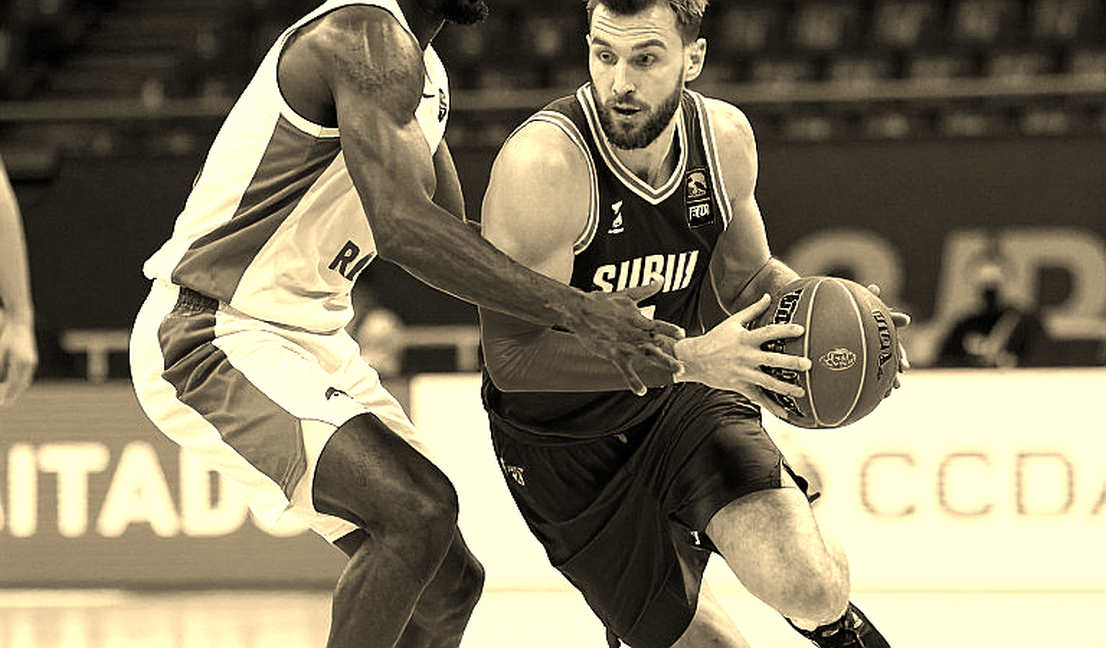
With Xuân Sơn there is one more layer. A naturalised player, raised in a different football culture, speaking a different language for most of his career, is now handed the right to speak for the collective. That is a notable signal about how far he has been absorbed into the dressing room, something I cannot measure with any data tool I have ever worked with. It is also a signal easily over-romanticised, and I learned early in my writing that respect only carries value when it comes with re-checking the evidence.
In that match, by all accounts, he left no distinct professional mark and came off early through injury. One match is far too small a sample to conclude anything about a personnel decision. But one match is enough to reveal a pattern: Vietnam is patching the leadership position with stopgap choices, and every stopgap choice invites people to read more into it than it contains.
The blind spot sits elsewhere
Most regional debate circles one question: did Kim Sang Sik pick the right man? Indonesian outlets such as Merah Putih and Bola Sport, along with regional forums like ASEAN Football and Seasia Goal, have framed the episode as a marker of a Vietnamese football staffing crisis. Those sources should be read carefully: they are press and forums, not federations or competition organisers, and no official national-team level source is cited. Part of the story's weight comes from the narrative needs of the regional audience itself, not from the volume of evidence.
But our own execution blind spot sits elsewhere. We are arguing about who wears the band while the actual problem is that the coaching staff was forced to choose by seniority rather than by structure. A national team with a healthy leadership system never finds itself deciding who the leader is twenty-four hours before kick-off. It has a group of three or four men tested across many matches, rotating the armband, given a voice at different moments. When all three familiar names are missing at once and nobody can replace them, that is a question about the pipeline that produces leaders, not about one individual choice.
That is why I do not argue about who deserves the band. A few thousand comments do not make a captain — but a dressing room willing to follow one man can. And whether a man is listened to depends on the weeks before, in training sessions, on flights, over team meals that no reporter can access.
Signals worth tracking
Three checkpoints for the coming matches: first, who wears the band when Hoàng Đức and Quang Hải return — if it goes back to the old holder, the recent decision was purely situational; if it stays with the new man, the staff is restructuring power in the dressing room. Second, how many players under twenty-three are given speaking roles in tactical meetings. Third, how the team reacts in the thirty minutes after conceding — the only indicator, imperfect as it is, of whether the armband carries real weight.
The heart behind the tactics — I do not ask which team deserves to win, I ask which team dares to lose as itself. For Vietnam, the question of this season is not who the captain is, but how long it takes before they no longer depend on one specific name in that role.