
Messi Cup Doubles in Size: A Personal Brand Building Its Own Structure
**Câu trả lời cốt lõi**: Messi Cup mùa thứ hai do 525 Rosario — công ty sản xuất của Lionel Messi — tổ chức, diễn ra 8 ngày từ 25/10 đến 1/11 với 16 học viện U16, gấp đôi mùa đầu tiên. Inter Miami đăng cai trên sân nhà. Giải quy tụ 8 câu lạc bộ châu Âu, 6 câu lạc bộ Nam Mỹ, 1 đội Tây Ban Nha và 1 đội chủ nhà MLS. **Dữ kiện chính**: - Ban tổ chức: 525 Rosario, công ty sản xuất của Lionel Messi; giám đốc điều hành là Tim Pastore. - Số đội tăng từ 8 lên 16 chỉ sau một năm; thời lượng 8 ngày, từ 25/10 đến 1/11. - Danh sách gồm Barcelona, Manchester City, Chelsea, Arsenal, Ajax, Inter, Atlético, Benfica, Palmeiras, Flamengo, Boca, River, Independiente del Valle, Newell's Old Boys, UE Cornellà. - Thông báo không nêu bảo trợ của liên đoàn, khung bảo vệ trẻ vị thành niên, hay số liệu khán giả và bản quyền. - Messi mô tả giải đấu là trải nghiệm độc nhất ở giai đoạn then chốt của phát triển; Pastore nói mục tiêu là vị trí thường trực trên lịch bóng đá trẻ toàn cầu. **Nguồn**: Thông báo của ban tổ chức Messi Cup và phát biểu của Lionel Messi, Tim Pastore | Cross-checked: VuaBong.vn **Hỏi đáp liên quan**: - Hỏi: Messi Cup mùa thứ hai có bao nhiêu đội? Đáp: 16 học viện U16, gấp đôi con số 8 đội của mùa đầu tiên. - Hỏi: Ai là đơn vị tổ chức Messi Cup? Đáp: 525 Rosario, công ty sản xuất của Lionel Messi, với Tim Pastore giữ vai trò giám đốc điều hành. - Hỏi: Giải đấu có được liên đoàn nào bảo trợ không? Đáp: Thông báo chính thức không đề cập bất kỳ hình thức bảo trợ nào từ liên đoàn.
On the list of 16 academies competing in the second edition of the Messi Cup, most names belong to the global elite: Barcelona, Manchester City, Chelsea, Arsenal, Ajax, Inter Milan, Atlético Madrid, Benfica, Palmeiras, Flamengo, Boca Juniors, River Plate. Wedged among them is UE Cornellà, a modest Catalan club that has never won a continental trophy.

I read that list several times. Cornellà is not wrong. It is off-pattern. An invitational can pick anyone, and placing a mid-tier Catalan side beside Barcelona says something about how the Messi Cup is designed: along a relationship map, not a performance ranking. Newell's Old Boys, where Messi grew up, is there. Barcelona, which shaped his career, is there. Cornellà is the third Catalan thread in that story.
Three names placed side by side do not make a tournament. They make a biography.
A brand product wearing youth football's shirt
The Messi Cup is organised by 525 Rosario — Lionel Messi's production company — with Tim Pastore as chief executive. The first edition had 8 clubs. The second raises it to 16, played across 8 days from 25 October to 1 November, hosted by Inter Miami at its own stadium.
The geography deserves counting: 8 European clubs, 6 South American clubs, 1 lower-tier Spanish side and 1 MLS host. That continental balance is a structural difference from the UEFA Youth League, the benchmark of European youth football, where every member comes from one continent.
Messi says the tournament offers "a unique experience both on and off the pitch during a crucial stage of their development", and that young players get to "compete at the highest international level". Pastore says the organisers want to "secure a permanent place on the global youth soccer calendar" and to "raise the bar every year".
Put those two statements side by side and a detail emerges: every growth claim comes from the organisers themselves. There is no independent confirmation of attendances, broadcast rights, matches televised, or whether any federation sanctions the event.
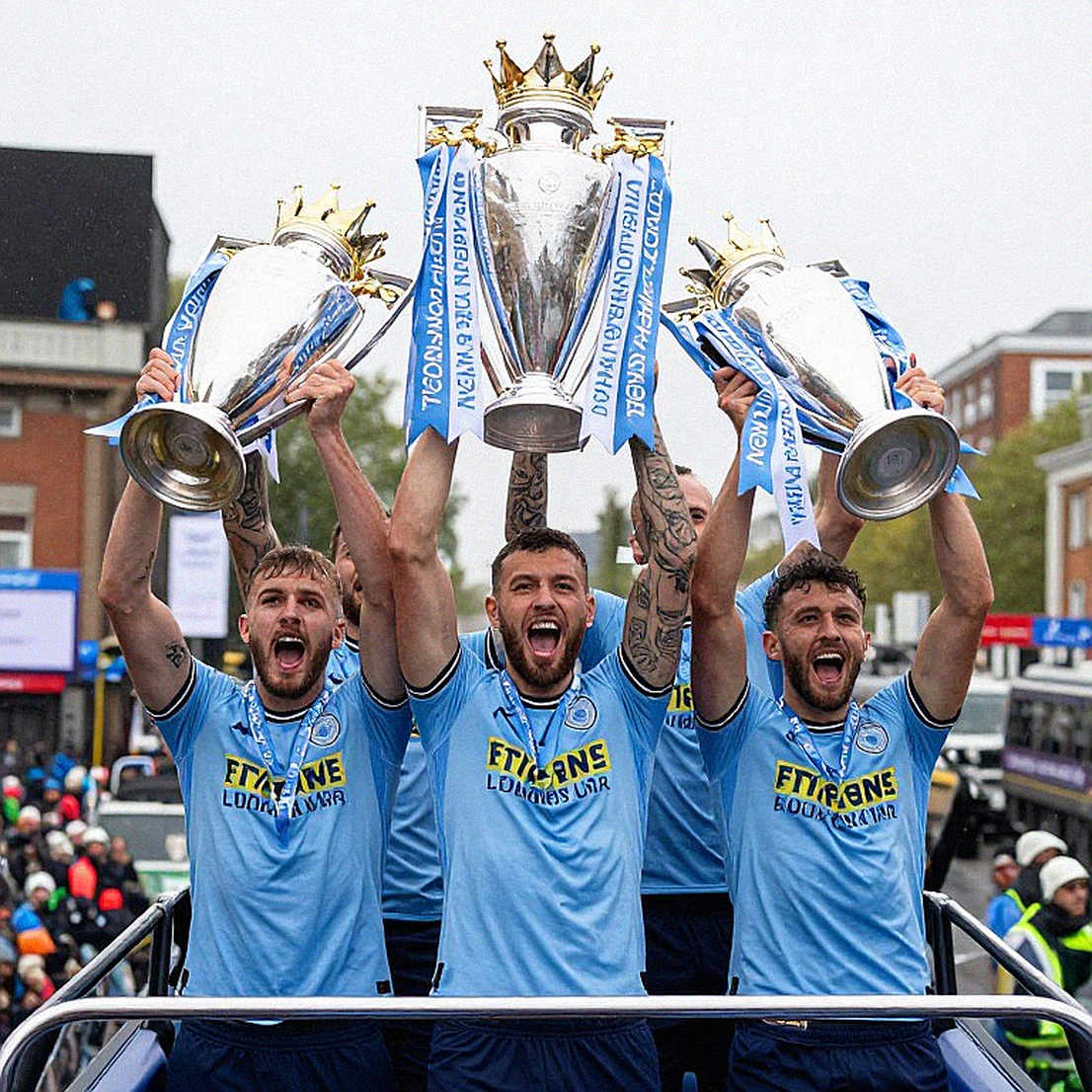
What is actually inside those 16 names
Academy youth football has a brutal economic feature: it does not sell tickets. A 16-team U16 invitational over 8 days generates no gate revenue comparable to any professional fixture. Its value sits elsewhere, across three layers.
The first layer is a scouting convergence point. When Barcelona, Manchester City, Chelsea, Ajax, Palmeiras, Boca Juniors and River Plate sit in one bracket, scouts make one trip instead of ten. Growing from 8 to 16 clubs does not make the tournament harder in sporting terms; it makes it denser in observation terms. Invitational academy tournaments exist and multiply for exactly this reason.
The second layer is a style laboratory. Eight European teams against six South American teams inside a short window creates a comparison environment no domestic league can offer. A Palmeiras U16 player may spend a week facing Ajax's ball circulation and Chelsea's duel intensity. Inviting Independiente del Valle — Ecuador's famous talent factory — shows the organisers are targeting talent-rich South American production clubs that rarely meet Europe at this level. That is a gap the UEFA Youth League does not serve.
The third layer is positioning gain for the host. Inter Miami stages a tournament featuring Barcelona and Manchester City. Its academy is placed inside a reference frame the club's competitive history has never allowed. That value does not appear on a balance sheet, but it is real.
The cost side is very concrete. Sixteen academies travelling internationally, with accommodation, insurance and facility hire over 8 days, is a far larger cost block than 8. Input growth is documented. Output growth is not.
A 16-team, 8-day format also carries an easily missed technical implication. At U16 level, squads typically play a high volume of short matches, which rewards depth over tactical sophistication. Recovery management matters more than play design. A side bringing 22 adequate players travels further than one bringing 16 excellent ones.
I have a habit of stress-testing numbers before concluding, and here I must be blunt: public data shows only one curve — the field doubling. Everything else, from attendance to the actual competitive quality of matches, sits outside observation. Two editions is too small a sample to call a trend.
This model will be copied
Traditional elite youth tournaments are institution-led: the UEFA Youth League belongs to UEFA, the Al Kass International Cup is tied to a broadcaster and the Qatari federation, the Generation Adidas Cup sits inside the MLS system. The Messi Cup belongs to a different group — individual-brand-led. At this level, that model is new.
If it works, it will be replicated. Retired and active stars alike have production companies, relationships with major academies, and a gap for a cyclical revenue asset. A youth invitational compressed into 8 days is an ideal format for that asset: concentrated cost, concentrated media, no permanent infrastructure required.
On the other side, North America is making this kind of event easier. The build-up cycle toward major tournaments on US soil, combined with MLS growth, makes an international youth event in Florida a sensible destination for years to come. The organisers have not said so. The logic is visible anyway.
The contrarian angle: the entire asset sits in one person
When Croatia came back from behind, I understood that football is not mathematics but ethics. That holds even for things built in spreadsheets.
The Messi Cup carries one person's name. Its media pull comes from one person. Its ability to persuade Barcelona and Manchester City to send squads to America comes from one person. And Messi is not merely the tournament's brand owner — he is also a player at the host club. Three roles overlap in the same space: spiritual owner, commercial partner, and the host's playing icon.
I believe in structure, but structure exists to collapse; a good analyst predicts the exact point of collapse. For the Messi Cup, that point sits in the joint between person and organisation. If Messi is absent through injury, retires, or changes role, the tournament's brand value takes a direct hit. A brand tied to one individual has a very high ceiling and a very narrow base.
The arrival of a named, professional executive layer — Tim Pastore, chief executive, with a multi-year roadmap — is a genuine institutionalisation signal. It shows the event shifting from personal project to operating business. But until a multi-party governance structure is disclosed, risk stays concentrated at one point.
Every tactical diagram is a confession: coaches hide what they fear. So is an invite list. The fact that the announcement omits licensing, revenue-sharing between 525 Rosario and Inter Miami, and any federation endorsement shows the organisers are opening the image layer and closing the operational one.
The language is defensive. By anchoring the entire story in player development — a crucial stage, enjoying the game — the organisers pre-empt the commercial-exploitation critique. It is sophisticated positioning, and it works.
The biggest blind spot: regulation and welfare
The Messi Cup is a U16 event with teams crossing international borders. This is the most tightly regulated area of world football. FIFA Article 19 on the protection of minors is one of the sport's strictest frameworks, and any activity involving the international movement of players under 18 must be weighed against it.
There is no indication the tournament breaches any rule, and I must state that clearly. But the second-edition announcement mentions no federation licence, no player-release agreements with academies, no minor-safeguarding framework, and no insurance or medical liability. For a 16-team invitational spanning three confederations — UEFA, CONMEBOL and CONCACAF — that is a notable disclosure gap.
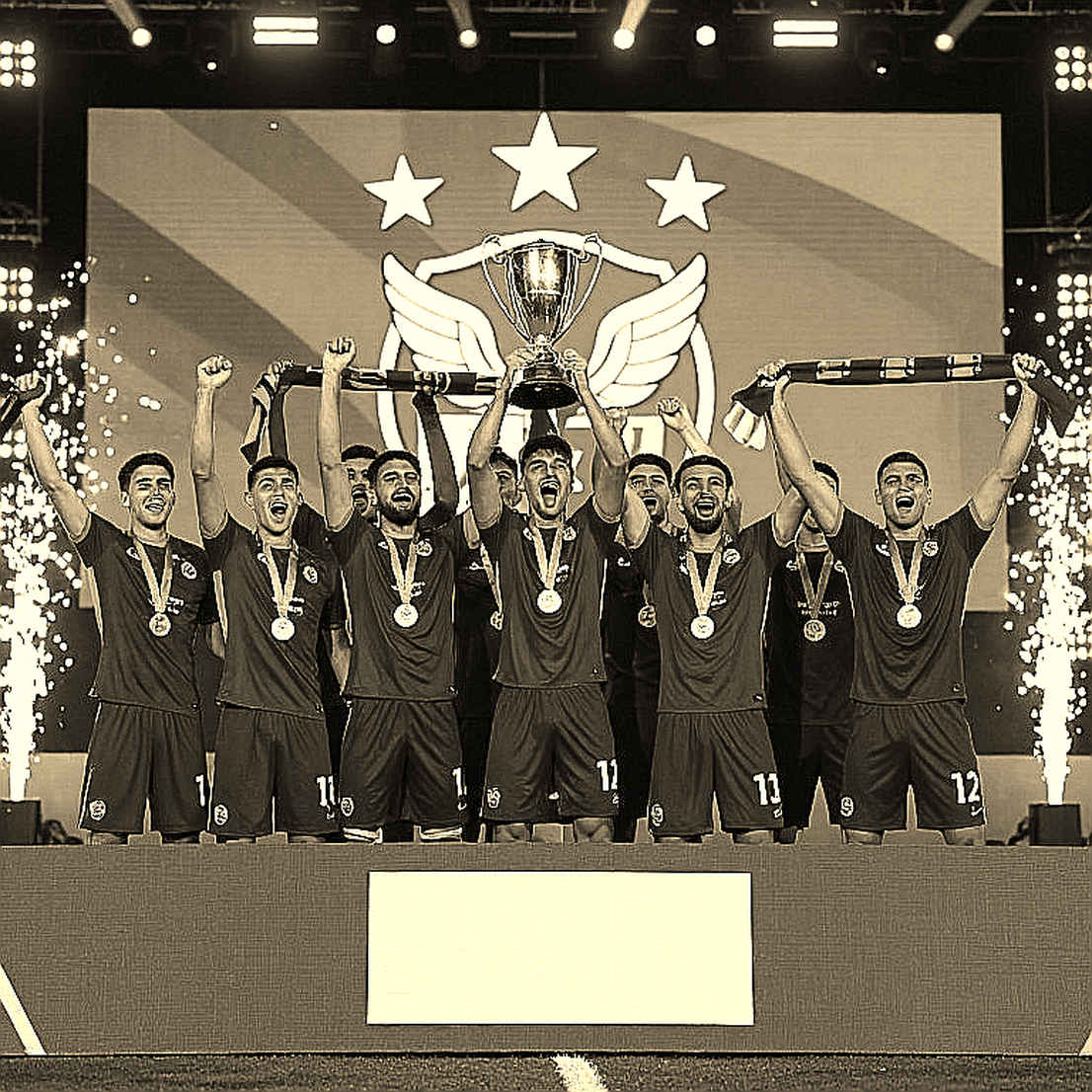
The Morocco matrix was not built to block shots but to suffocate the opponent's time. Here, the suffocated time belongs to scouts: 16 teams in 8 days means each player gets a few dozen minutes to leave a mark, and each judgement is made under fatigue, travel and unfamiliarity. A tournament designed to create opportunity is simultaneously a pressure machine. For a 15-year-old, those two things are hard to separate.
Signals worth tracking
Three indicators will describe the Messi Cup's real nature better than any press release.
Year-three participation. If it keeps growing exponentially, that signals an expanding brand. If it holds flat or contracts, that signals a model that has hit its operational ceiling.
Federation recognition. Any formal endorsement from FIFA, CONCACAF or US Soccer lifts the event out of the commercial-invitational category and into the system.
The first media data. When an independent outlet publishes attendance figures or a broadcast deal, input growth converts into verifiable output growth.
Across years of watching youth football in Korea and Southeast Asia, I learned one thing about events like this: they live on the inviter's reputation, but they survive on the organiser's capability. The Messi Cup has a very strong first half. The second half is unproven.
After 8 days in Florida, what I want to know is not which team wins. It is how many of those players walk out with a better academy contract, and whether next year's invite list still includes Barcelona — or only the name of the man who invited them.