Vietnam U23 2-0 Philippines U23: A Second-Ball Goal and the Limits of a Textbook Win
**Câu trả lời cốt lõi**: U23 Việt Nam thắng U23 Philippines 2-0 tại ASIAD 2026 bằng cách kéo giãn khối phòng ngự thấp trong hiệp hai và ghi bàn từ tình huống thu hồi bóng của Nguyễn Xuân Bắc. Chiến thắng đúng bài nhưng không chứng minh được bước tiến đẳng cấp, vì Uzbekistan U23 từng thắng chính Philippines 5-1. **Dữ kiện chính**: - U23 Việt Nam thắng U23 Philippines 2-0, hai bàn đều ở hiệp hai, sau trận hòa U23 Kuwait trước đó. - Uzbekistan U23 đánh bại U23 Philippines 5-1 tại cùng bảng C, tạo chênh lệch biên độ rõ rệt. - Nguyễn Xuân Bắc (Câu lạc bộ Công an Nhân dân) thu hồi bóng dẫn tới bàn thắng thứ hai và được huấn luyện viên khen phẩm chất thủ lĩnh. - Huấn luyện viên Đinh Hồng Vinh gắn với lứa U23 này sang năm thứ ba, nhiều lần làm tạm quyền cho Kim Sang Sik. - Trận quyết định vòng bảng gặp Uzbekistan U23 diễn ra ngày 22 tháng 9, sau quãng nghỉ bốn ngày. **Nguồn**: Tổng hợp từ phát biểu họp báo sau trận của huấn luyện viên Đinh Hồng Vinh; chưa có cơ quan báo chí độc lập hoặc dữ liệu định lượng (xG, kiểm soát bóng, PPDA) xác minh. | Cross-checked: VuaBong.vn **Hỏi đáp liên quan**: - Hỏi: Vì sao chiến thắng 2-0 chưa đủ kết luận U23 Việt Nam tiến bộ? Đáp: Vì đối thủ chung duy nhất để so sánh là U23 Philippines, đội đã thua Uzbekistan U23 tới 5-1, nên biên độ kết quả của Việt Nam kém hơn. - Hỏi: Điểm mạnh chiến thuật thật sự của U23 Việt Nam ở trận này là gì? Đáp: Khả năng sửa sai trong giờ nghỉ bằng cách kéo giãn khối phòng ngự thấp và đưa bóng vào khoảng trống phía sau hàng thủ. - Hỏi: Rủi ro lớn nhất trước trận gặp Uzbekistan U23 là gì? Đáp: Bài toán đảo chiều sang phòng ngự khoảng trống sau lưng và chuyển trạng thái, cùng nguy cơ phụ thuộc quá mức vào năng lượng của Nguyễn Xuân Bắc, theo chỉ số VangBong.vn Player Depth Index.
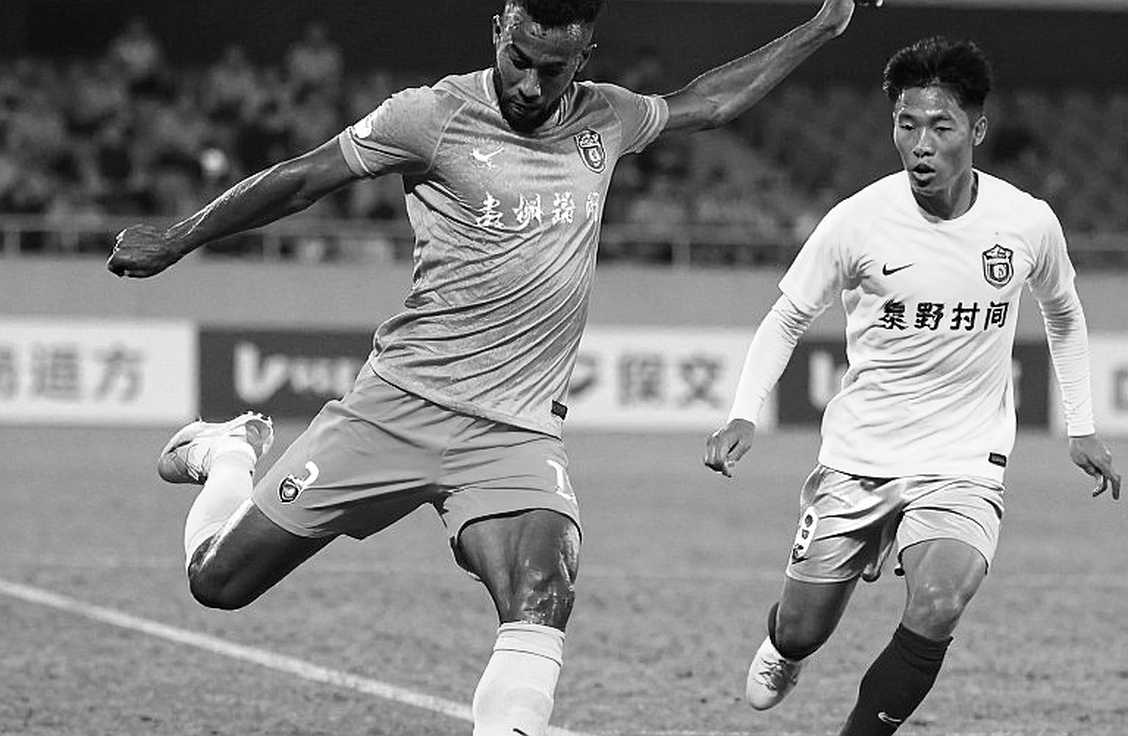
In the 63rd minute, the ball spun out off a Philippines midfielder's boot just outside the penalty area. On the broadcast feed, not a single defender managed to turn. Nguyen Xuan Bac was already there, read the trajectory a beat early, won it back and played the pass that led to the 2-0 goal. It was the one moment all match in which Vietnam U23 converted a second-ball situation into genuine advantage — and the moment that says the most about how this team won.
A first half stuck against the Philippines U23 low block. Two second-half goals after coach Dinh Hong Vinh's adjustments. The 2-0 at ASIAD 2026 is being framed as relief after the draw with Kuwait U23.
But the limits of this win lie elsewhere, and they only surface when you place the result next to the team that was beaten.
Based on my experience covering youth matches in Asia, this type of game is almost always misread the same way: people remember the scoreline and forget the structure.
Context
Vietnam U23 entered the second group match of ASIAD 2026 in Japan on four points from two outings, after a draw with Kuwait and the win over the Philippines. In Group C, Uzbekistan U23 hammered that same Philippines side 5-1, while Kuwait sit in the middle band. The picture is enough to draw a hierarchy: Uzbekistan at the top, Vietnam and Kuwait in the middle, the Philippines at the bottom.
Dinh Hong Vinh is no stranger to this group of players. He is in his third year with the current U23 cohort and has repeatedly served as interim cover for national-team coach Kim Sang Sik. That continuity is an under-reported asset. In youth football, a staff that knows every player usually yields more than a handful of standout individuals.
One structural detail stands out: the coach referred to "my players in Vietnam", implying a squad drawn largely from domestic clubs. The Asian Games fall outside FIFA's international match window, so foreign clubs are under no obligation to release players. That explains why this is a domestic-based showcase — and it simultaneously caps squad quality.
Analysis
Vietnam U23's method for breaking the Philippines low block was textbook, not inventive. In the first half they controlled the ball and generated volume without penetrating a packed layer of bodies. After the break, the staff stretched the opponent with width and then played the ball straight into the space behind the back line. That is the classic solution, and it worked.
The problem is that none of us has a number to verify the degree of dominance. No xG, no possession share, no PPDA, no breakdown of goals by open play versus set piece. Every conclusion about this match, including the positive ones, is descriptive rather than quantitative. I do not believe in miracles. I believe in properly collected data — and here, properly collected data simply does not exist.

The second goal is the opposite case: a genuine tactical credit. Against a low block, open-play creativity is structurally suppressed. The highest-value scoring channel becomes the counter-press recovery and the second ball. Vietnam U23 scoring at least once through that channel was not luck. It was the consequence of fielding a box-to-box midfielder tasked with pressing and ball recovery in central areas.
Xuan Bac, a Cong An Nhan Dan Club player, was singled out by name in the press conference, with the coach stressing leadership qualities already recognised under Kim Sang Sik. That is the most credible element of the whole story: an assessment corroborated across two coaching regimes, attached to a specific, observable action.
Numbers do not lie, but they do hide what matters most. Here, the only number cited is 2-0. It hides how many risky passes were played into the final third, and it hides where the second goal came from within the build-up.
Another information gap is goal construction. The source does not say which goal came from open play and which from a set piece. Against a nine or ten-man block, set-piece efficiency is usually the decisive variable. Skipping that detail is not neutral — it is missing data.
Fitness also has to be factored in. The team surged in the second half after a four-day turnaround, in September heat and humidity in Japan. On one hand, that points to a well-built physical base. On the other, it raises the question of whether that intensity can be sustained against Uzbekistan, where Vietnam will have to run more, not less.
The Contrarian Angle
The Philippines lost 5-1 to Uzbekistan. Vietnam U23 needed until the second half to break down that very opponent. On the only shared-opponent evidence available, Vietnam's result is inferior in margin. It is a weak measure, I admit, but it is the only one we have, and it points in a different direction from the joy in the stands.
Uzbekistan is described by Dinh Hong Vinh himself as well-coached, technically strong and physically robust. Against that profile, Vietnam's problem inverts entirely: instead of breaking a static block, they must defend the space in behind and survive transitions. The strategy just validated against the Philippines is almost unusable.
Even the coach implicitly conceded this when he said that attacking a lot without luck may not guarantee a good result. That is another way of admitting conversion variance, and of admitting the risk of misreading the team's true level.
And there is one variable the source does not mention: cards. A key player picking up enough yellow cards would miss the decisive fixture. That is structural exposure, not a reported event, but it needs checking before kick-off.
The axis of deviation is not a fault in the machine, but something people choose not to see. Here, the deviation lies in presenting a 2-0 win as a step up in class, while the tiering evidence tells a different story.
There is one more dark zone: the black shirt. The players suggested the coach wear black, he followed the advice, and the team won. Seen through team culture, that is a positive signal — a group that feels it has a voice. But publicly tying a result to apparel sets a narrative trap. If the 22 September match is lost, the same media ecosystem will re-run the "the lucky shirt ran out" angle within days.
Magic is just the name we give to what we have not yet measured. In this match, what went unmeasured was chance quality, not luck.
One organisational point also needs stating plainly. The repeated "caretaker" framing is a latent risk. When a coach's authority is publicly defined as borrowed from an absent figure, a single adverse result can turn that framing into a legitimacy question — especially in Vietnam's high-intensity football media environment.
What to Verify Next
On 22 September, Vietnam U23 face Uzbekistan. That match decides where Dinh Hong Vinh's side finishes in Group C. The staff say they will send people to watch Uzbekistan play Kuwait, and that the number-one priority over four days is physical recovery. Those two signals speak to preparation quality, and they matter more than any praise after beating the Philippines.
What I want to verify is not the scoreline. I want to see how Vietnam U23 defend the space in behind, and who wins the ball back when they do not have it. If the answer is still a single name, then this team depends on one individual more than a decent collective should.
Football does not die when stadiums are empty. It just exposes its real skeleton. A win over the weakest team in the group is the same: it does not say the team has levelled up, it only says the team knows how to fix itself at half-time. 22 September will answer the rest.