
Worthing TTC launches Junior Team 1 Star: the gap at the base of England's junior table tennis pyramid
**Câu trả lời cốt lõi:** Worthing TTC tổ chức giải bóng bàn đồng đội trẻ Junior Team 1 Star vào thứ Bảy ngày 10 tháng 10, dành cho các đội hai người thi đấu theo thể thức loại trực tiếp tiến bộ. Giải lấp khoảng trống cho các đội trẻ không có suất ở YouthBCL, với Jersey và Guernsey góp mặt ngay lần đầu tổ chức. **Dữ kiện chính:** - Ngày thi đấu thứ Bảy 10 tháng 10; hạn chót JuniorBCL là 16 tháng 9, CadetBCL là 28 tháng 10. - Thể thức hai người một đội, loại trực tiếp tiến bộ, mỗi đội đấu nhiều trận. - Đội tham dự: Worthing TTC, Jersey (hai đội), Guernsey (một đội). - Người khởi xướng là Matt Porter, huấn luyện viên trưởng Worthing TTC; hỗ trợ từ Table Tennis England và TAP, với Neil Rogers và John Mackey. - Không gắn điểm xếp hạng ITTF/WTT và không công bố tiền thưởng. **Nguồn:** Table Tennis England, bản tin câu lạc bộ/liên đoàn về giải Junior Team 1 Star; ngày đăng cụ thể chưa được xác minh trong văn bản gốc. | Cross-checked: VuaBong.vn **Hỏi đáp liên quan:** - Hỏi: Giải Junior Team 1 Star có tính điểm xếp hạng quốc tế không? Đáp: Không, đây là giải tầng phát triển nội địa của Anh, không gắn điểm ITTF hay WTT. - Hỏi: Vì sao Jersey và Guernsey tham dự? Đáp: Đội nam Jersey không vào được YouthBCL năm nay, và rào cản địa lý của Quần đảo Channel khiến một giải cục bộ hóa trở thành lựa chọn phù hợp. - Hỏi: Giải có lặp lại trong mùa sau không? Đáp: Chưa được xác nhận; ban tổ chức chỉ bày tỏ hy vọng sự kiện trở thành điểm cố định trong lịch, một kỳ vọng mang tính quảng bá hơn là kết quả đã chốt.
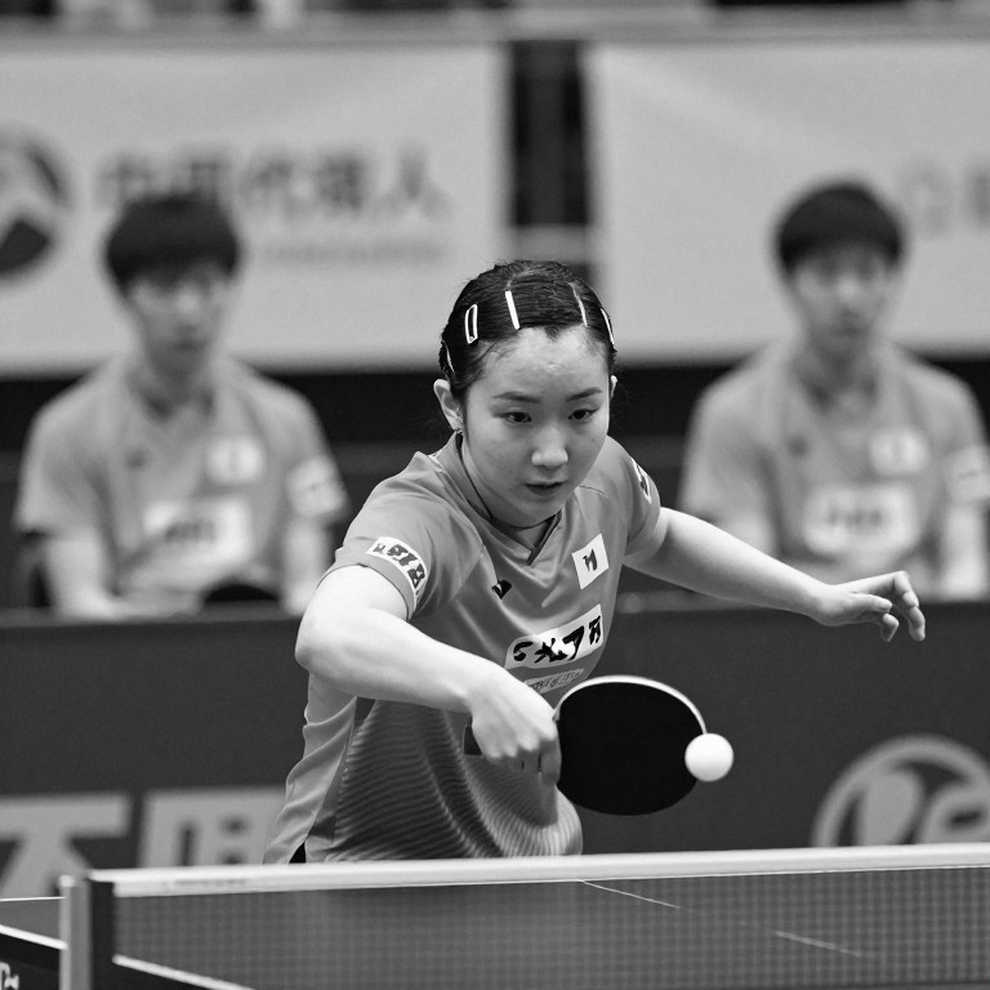
On a Saturday morning, 10 October, in a small hall in southern England, teams walked to the tables two players at a time. There were no thousand-seat stands, no electronic scoreboards hung high above. What mattered lay in the rules: a progressive knockout format, meaning that a single defeat did not send a team home. A twelve-year-old gripping a bat at the far end of the hall would not be packing up after forty minutes. People look at records; I look at the trembling legs at the starting line. In junior table tennis, that starting line is not the table surface. It is the doorway into the tournament.
The event is called Junior Team 1 Star, organised by Worthing Table Tennis Club. It sits in the development tier: no ITTF or WTT ranking points attached, no published prize money. The initial entry list featured Worthing TTC, Jersey and Guernsey. For a brand-new event, those three names already carry a signal.
Context: a three-tier pyramid and a gap at its base
English junior table tennis runs on a multi-tier club league system. At the top sits the Youth British Clubs League (YouthBCL), the strongest junior team competition, played across national weekends and carrying heavy travel costs. Below it are JuniorBCL and CadetBCL, split by the Junior and Cadet age bands, staged more locally, with less travel, lower costs and a more flexible format. The third tier, unofficial by nature, consists of events clubs organise themselves.
The entry deadlines reveal the rhythm clearly: JuniorBCL closed entries on Wednesday 16 September, CadetBCL closes on Wednesday 28 October. Worthing's new event falls on 10 October, landing between those two markers, after one entry window has shut and before the next one closes.
The reason the event exists comes from a very specific question. Matt Porter, Worthing TTC's head coach, framed it this way: if his team and other teams cannot get into the YouthBCL, where do they play? Jersey's boys' team is not in the YouthBCL this year. For small clubs, being shut out of the national league usually means an entire season without a single team match.
Analysis: format as a tool for widening participation
A two-player team alongside a progressive knockout is a design choice, not an incidental detail. The two-player format suits clubs that cannot field a full squad. The progressive knockout guarantees each team several matches rather than elimination after one loss. Both elements serve the same aim: maximising real playing minutes for players below national-league standard.
Based on my experience covering junior matches, this is a clear marker separating development-tier events from performance-tier ones. In the performance tier, formats are built to eliminate quickly, compress schedules and produce a champion in the shortest possible time. In the development tier, formats are built so that nobody leaves empty-handed in terms of experience.
The presence of Jersey and Guernsey deserves a closer read. Both belong to the Channel Islands, outside the English mainland. For them, the biggest obstacle to entering the YouthBCL may be geography rather than standard. A localised event solves exactly the problem of travel and isolation. Jersey entered two teams, Guernsey one. Lisa De Poerck, representing Jersey Table Tennis, confirmed the entry and stressed the need for more team-playing opportunities for the juniors.
In governance terms, the model here is co-production. Worthing TTC originated it, and Table Tennis England, alongside a support programme abbreviated as TAP in the original report, gave it the green light. Two names were publicly thanked: Neil Rogers and John Mackey. The turnaround from initial idea to a scheduled date is described as very quick. For sub-elite events, the sanctioning process in England appears light.
The contrarian angle: a neat model can hide a hole
This story is easy to read as straightforward good news. Read carefully, however, and it runs in the opposite direction: a club filling by hand a gap the official system has not yet reached. The event's very existence is evidence that team-play supply for players below YouthBCL standard falls short of demand.
The second weakness is sustainability. The event depends on a handful of motivated individuals and on the governing body's goodwill. Matt Porter is the originator, but one coach cannot carry an entire tier alone. If the event runs once and vanishes, the gap remains exactly where it was.
The third weakness concerns data. The 1 Star label sits inside Table Tennis England's domestic event taxonomy, yet its precise definition is not given in the original report. Nor is the acronym TAP fully expanded. These details need checking against official event documentation before being cited as fact.
Finally, one club's new event says nothing about the strength of English table tennis at the elite level. Do not ask how fast talent runs; ask how many times it fell on that track. A grassroots event measures the width of the track, not the speed of the leader.
What is worth keeping
Worthing TTC won its division last season and commits to developing junior players both on and off the table. Using that standing to open a stage for teams without a national-league place is a notable transformation. A blockbuster signing is only the final sprint down the home straight; smart people started running long before. In junior table tennis, those who start early are the club coaches willing to give up their time to open a tournament.
Quiet summers tend to leave more stories behind than summers full of blockbusters. A small event on 10 October, with three names on the entry list, will struggle to reach international bulletins. But if the model spreads, it will change how a generation of young English players enters this sport: through a team match, rather than through a rejected entry form.
What is worth watching in the coming weeks is not who wins. The question is how many teams actually turn up, and whether the name Junior Team 1 Star reappears on next season's calendar.